Hari Budha Magar conquers Everest on artificial legs, journey shattering disability stereotypes
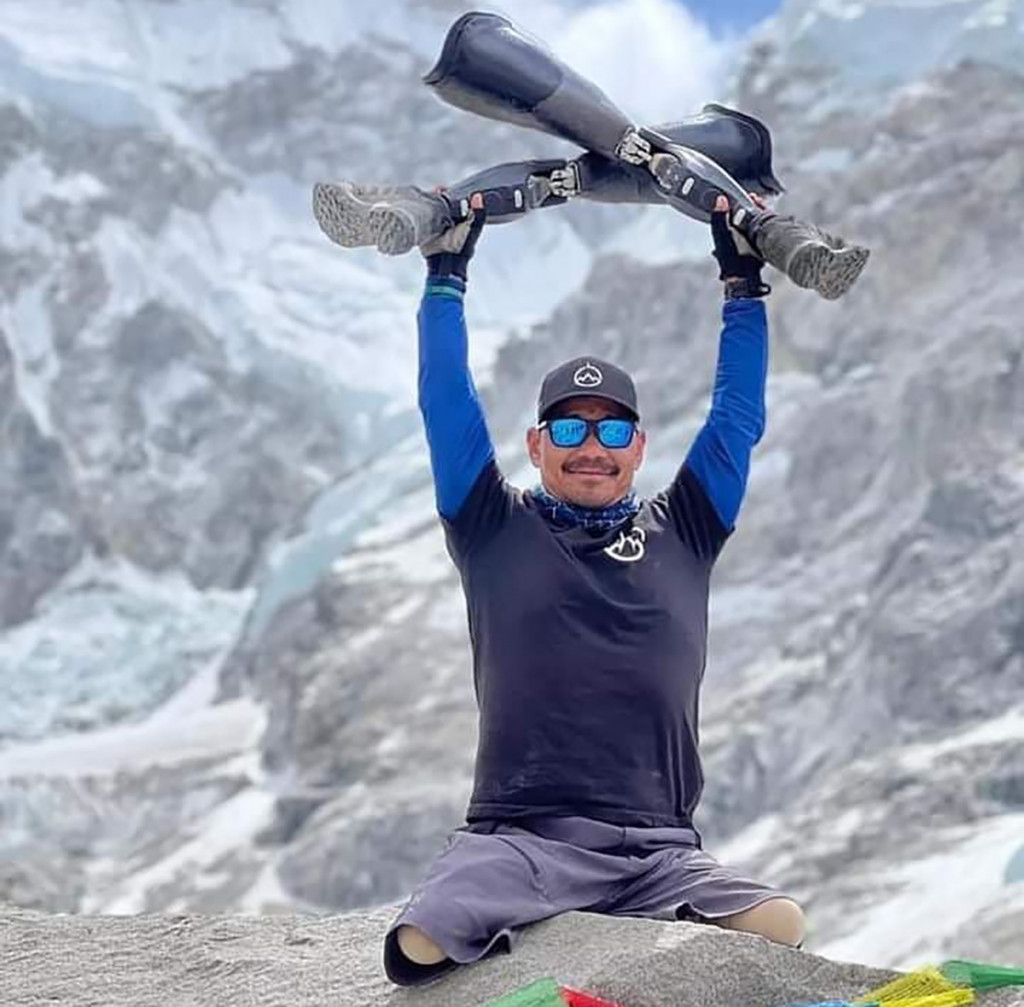
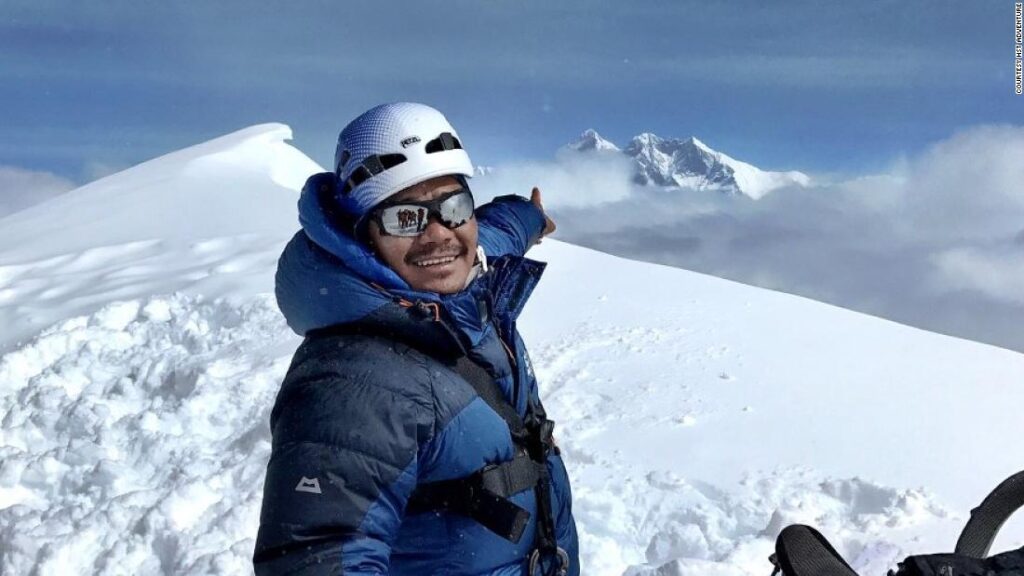
In a remarkable feat, Hari Budha Magar, a 43-year-old who lost both legs above the knee, has become the first person with such a disability to reach the summit of Mount Everest.
Magar achieved this extraordinary accomplishment using artificial legs specially designed for climbing. His inspiring journey aims to bring attention and understanding to the challenges faced by people with disabilities.
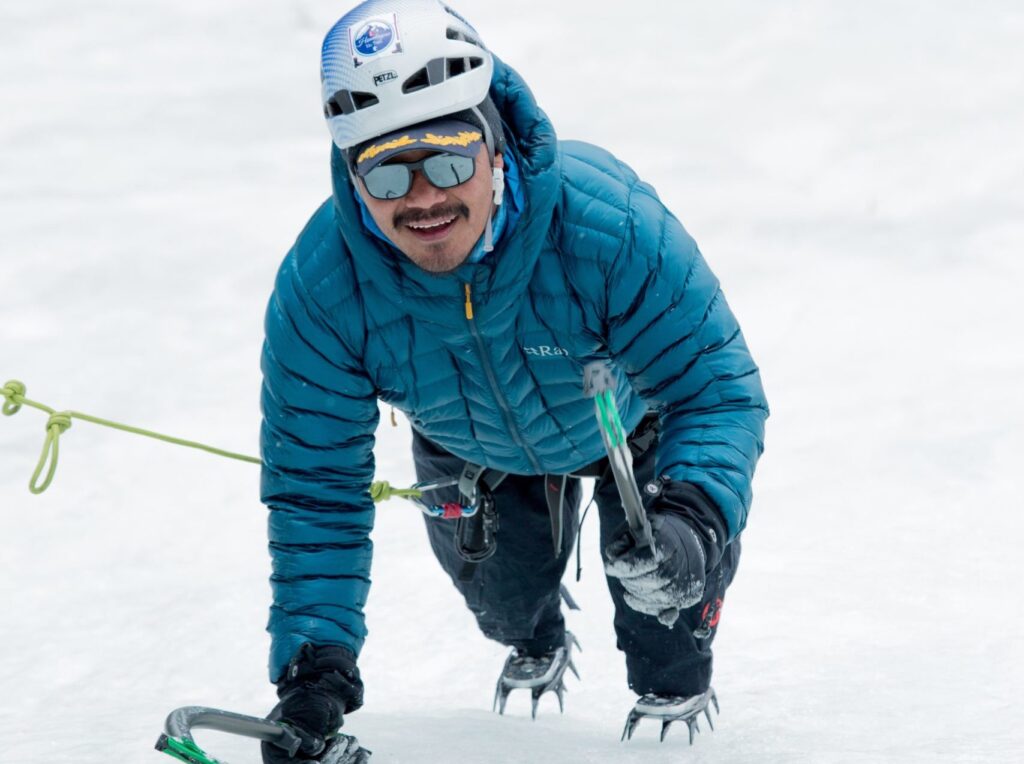
The Gurkha Brigade proudly announced on Twitter that veteran Magar has become the very first double above-knee amputee to successfully scale the formidable heights of Mount Everest. He is no stranger to making history, becoming the first double above-knee amputee to climb several summits, including Mera Peak and Chulu Far East.
Magar, who joined the British army in 1999, lost both legs in 2010 after he stepped on an improvised explosive device (IED) during a mission in Afghanistan. Budha Magar, who was fighting alcoholism and discouragement at the time, said he felt his life was “completely finished” after the accident.
“I grew up in Nepal, up to the age of 19, and I saw how disabled people were treated in those remote villages,” he explained. “Many people still believe that disability is a result of a previous life’s sin and that you are a burden on the earth.” This is what I seen, so I believed it. That’s how I was raised.”
“It was a pretty hard time,” he added, “and at one point I was just drinking too much, just to control my pain and emotions and all the things, and I tried to kill myself a couple of times.” No matter how big your dreams, no matter how challenging your disability, with the right mindset anything is possible,” he added.
“That was difficult. It was more difficult than I could have expected. We just had to keep pushing, no matter how much it hurt or how long it took. If I can reach the top of the globe, anyone, regardless of disability, may,” Hari Budha explained in a statement released by his team.
He was supported throughout the climb by a team of Nepalese climbers commanded by Krish Thapa, a former Gurkha and SAS mountain unit leader.
Hari Budha’s path to the top has not been simple, as he had to endure an intense legal battle after Nepal’s government banned amputees from climbing Everest in 2017. To to the delight of many amputee adventurers, the Supreme Court overturned the government’s decision.
“I hope my climb will help change the perception of persons with disabilities,” says Magar with a hope on his face. More than 11,000 people have climbed Mount Everest, including several with disabilities such as blindness and below-knee amputees.
During the current season, which ends this month, Nepal issued 478 permits to climb Everest. Nine individuals have died on Everest this year so far.
RELATED NEWS